E-max (lithium disilicate) crowns look the most like a natural front tooth, thanks to translucency that closely mimics natural enamel. Multilayer zirconia is the best choice when extra strength is needed (heavy bite or teeth grinding), all-ceramic crowns suit patients wanting completely metal-free dentistry, and PFM remains a proven economical option. The right material for you depends on your bite, cosmetic goals, and budget — best decided at a consultation with a prosthodontist at Crescent Dental Solutions, BTM Layout, Bengaluru.
A healthy, confident smile begins with strong and beautiful front teeth. Whether you've chipped a tooth, undergone a root canal treatment, or need to restore a worn or damaged tooth, choosing the right dental crown is one of the most important decisions for a natural-looking result.
But with options like E-max, zirconia, all-ceramic, and porcelain-fused-to-metal (PFM), how do you know which crown is right for you? As dentists, one of the most common questions we hear is: "Which crown material is best for my front teeth?" The answer depends on your smile goals, your bite, and the condition of your tooth. Let's take a closer look.
Key Takeaways
- E-max = the gold standard for lifelike front-tooth aesthetics.
- Multilayer zirconia = maximum strength with very good aesthetics — ideal for teeth grinders.
- All-ceramic = beautiful, fully metal-free, great for metal allergies.
- PFM = economical and proven, but can show a dark gum line over time.
- Quality crowns last 10–15 years or more with good oral hygiene.
Why Does the Crown Material Matter So Much for Front Teeth?
Unlike back teeth, your front teeth are always visible when you smile, laugh, or speak. That means a front-tooth crown must not only restore strength but also blend seamlessly with the natural teeth beside it. An ideal front tooth crown should:
- Look natural and lifelike
- Match the colour of adjacent teeth
- Be durable enough for daily function
- Resist stains over time
- Feel comfortable while biting and speaking
Choosing the right material is what ensures both excellent aesthetics and long-lasting results.

1. E-max Crowns — The Gold Standard for Beautiful Smiles
What is an E-max crown?
E-max crowns are made from lithium disilicate ceramic and are considered one of the finest choices for restoring front teeth. If your priority is a smile that looks completely natural, E-max is often the first choice.

- Exceptional translucency that closely resembles natural enamel
- Superior aesthetics for smile makeovers
- Strong enough for most front teeth
- Metal-free and biocompatible
- Excellent colour stability
- Single front tooth restoration
- Cosmetic smile enhancement
- Chipped or fractured front teeth
- Cases with high aesthetic demands

2. Is Zirconia a Good Choice for a Front Tooth? — Strength Meets Beauty
What is a zirconia crown?
Modern zirconia crowns have evolved significantly. Today's multilayer zirconia offers an impressive combination of strength and natural appearance. Although zirconia may not always match the translucency of E-max, it is the better option when additional strength is needed.
- Extremely durable
- Highly resistant to fractures
- Metal-free
- Suitable for patients who grind their teeth
- Improved translucency vs older zirconia
- Patients with heavy bite forces
- Bruxism (teeth grinding)
- Larger restorations needing extra durability

3. All-Ceramic Crowns — Natural and Metal-Free
What is an all-ceramic crown?
All-ceramic crowns have long been a preferred choice for front teeth because of their ability to mimic natural tooth enamel — providing an attractive, natural-looking smile with good everyday strength.
- Beautiful aesthetics
- Excellent light transmission
- No dark metal margins
- Biocompatible
- Ideal for patients with metal allergies
- Visible front teeth
- Patients seeking metal-free dentistry
- Cosmetic restorations
4. Porcelain-Fused-to-Metal (PFM) Crowns — Reliable but Less Aesthetic
What is a PFM crown?
PFM crowns combine a metal base with a porcelain outer layer and have been used successfully in dentistry for decades. For highly visible front teeth, however, newer ceramic materials generally deliver better cosmetic results.

- Good strength
- Cost-effective
- Proven long-term performance
- A dark line may become visible near the gums over time
- The porcelain layer can chip
- Does not reflect light like natural teeth
Which Crown Material Is Best for Front Teeth? (Comparison Table)
There isn't a one-size-fits-all answer. The ideal crown depends on the condition of your tooth, your bite and chewing habits, whether you grind your teeth, your cosmetic expectations, and your budget. In general:
| Your Priority | Best Material | Aesthetics | Strength | Metal-Free |
|---|---|---|---|---|
| The most natural appearance | E-max | ★★★★★ | ★★★★☆ | Yes |
| Maximum strength + excellent aesthetics | Multilayer Zirconia | ★★★★☆ | ★★★★★ | Yes |
| Completely metal-free restoration | All-Ceramic | ★★★★☆ | ★★★☆☆ | Yes |
| A more economical option | PFM | ★★★☆☆ | ★★★★☆ | No |
How Long Do Front Tooth Crowns Last?
With proper care, most quality dental crowns last between 10 and 15 years — and many last even longer. To maximise your crown's lifespan:
- Brush twice daily using a soft-bristled toothbrush
- Floss around your crown every day
- Avoid biting ice, hard candies, or opening packages with your teeth
- Wear a night guard if you grind your teeth
- Schedule regular dental check-ups and professional cleanings
Good oral hygiene plays the biggest role in the longevity of your restoration.
Get a Crown That No One Can Tell Is a Crown
Our prosthodontists at Crescent Dental Solutions, BTM Layout, will match the shape, shade, and translucency of your natural teeth — and recommend the right material for your bite and budget.
Frequently Asked Questions About Front Tooth Crowns
Which crown material looks the most like a natural front tooth?
E-max (lithium disilicate) crowns look the most natural. Their translucency closely mimics natural enamel, they are metal-free and colour-stable, and they are widely regarded as the gold standard for single front-tooth restorations and smile makeovers.
Is zirconia a good choice for a front tooth?
Yes. Modern multilayer zirconia combines exceptional strength with a natural appearance, making it ideal for patients with heavy bite forces or bruxism (teeth grinding). It may be slightly less translucent than E-max, but it is the better choice when durability is the priority.
Will people notice I have a crown?
Not if it's made well. Modern ceramic crowns are carefully customised to match the shape, shade, and translucency of your natural teeth, making them virtually indistinguishable from the teeth beside them.
Are front tooth crowns painful?
The procedure is performed under local anaesthesia, making it comfortable. Mild sensitivity after treatment is normal and usually resolves within a few days.
Can crowns stain like natural teeth?
High-quality ceramic materials such as E-max and zirconia are highly stain-resistant, helping your smile stay bright for years. PFM crowns, by contrast, may show a dark line near the gum over time.
How long do front tooth crowns last?
With good care — twice-daily brushing, daily flossing, a night guard if you grind, and regular check-ups — most quality crowns last 10–15 years, and many last considerably longer.
Final thought: your front teeth define your smile, so choosing the right crown is about more than repairing a damaged tooth — it's about restoring confidence. While E-max is often the gold standard for lifelike aesthetics, modern zirconia delivers exceptional strength with beautiful results, all-ceramic is an excellent metal-free option, and PFM remains dependable in selected cases. A detailed consultation ensures a restoration that looks natural and functions beautifully for years to come. A confident smile begins with the right crown — and expert care makes all the difference.
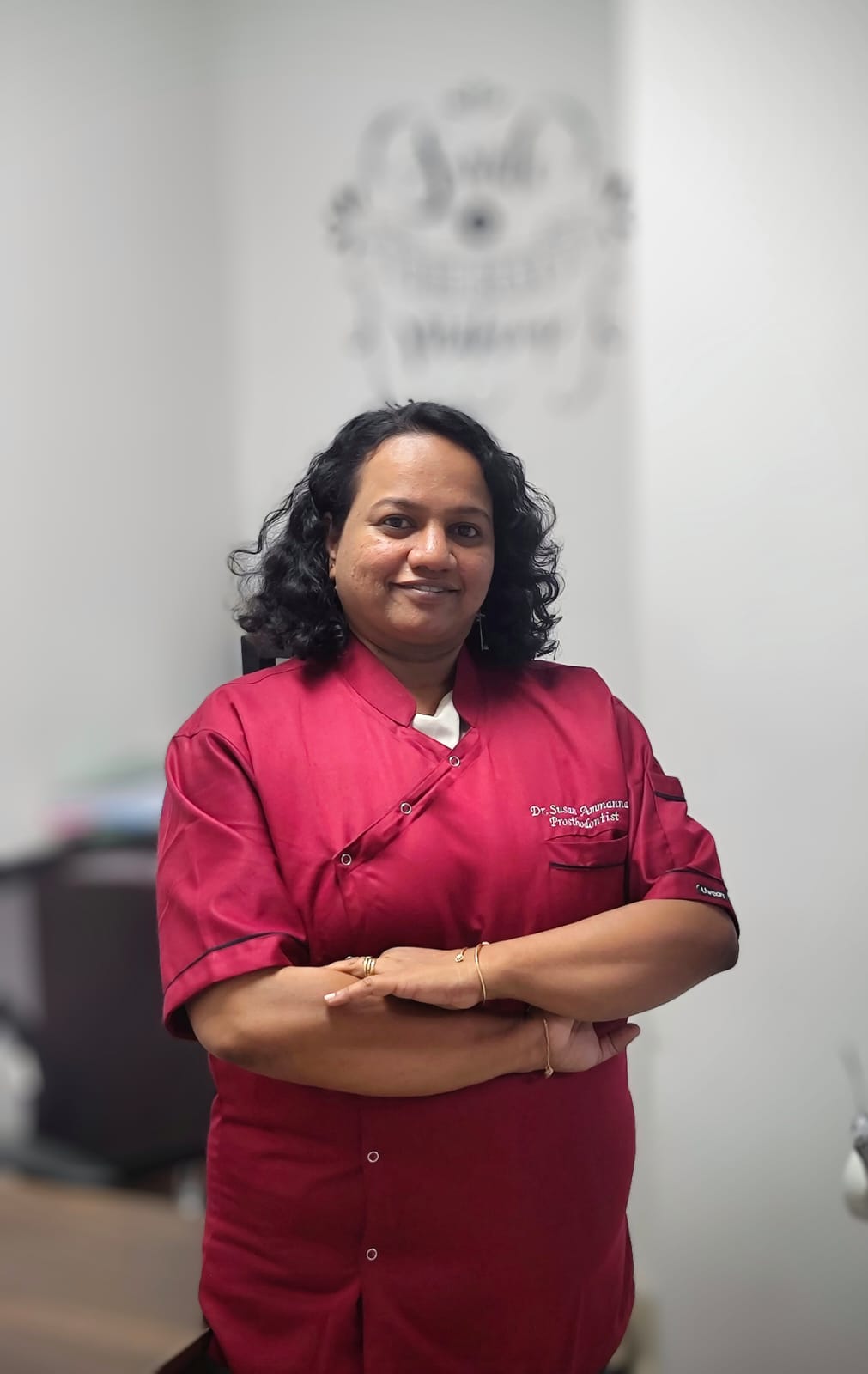
Prosthodontist at Crescent Dental Solutions, BTM Layout, Bengaluru — specialists in crowns & bridges and aesthetic smile design. View profile →
Disclaimer: This article is for general information only and is not a substitute for professional dental advice, diagnosis, or treatment. Please consult a qualified dentist for guidance specific to your condition.